The fastest mechanical pump setting is not necessarily the fastest reliable production setting
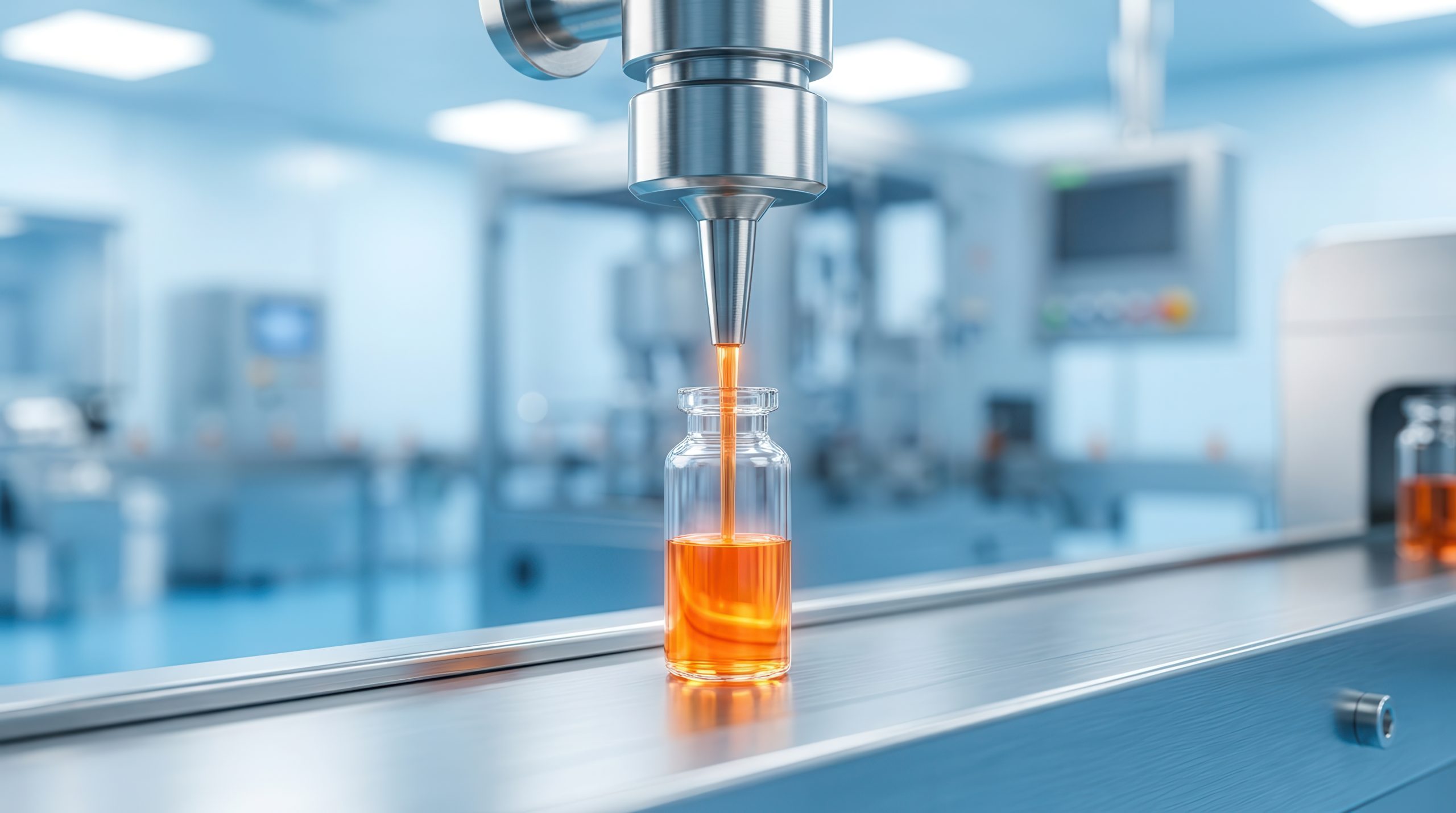
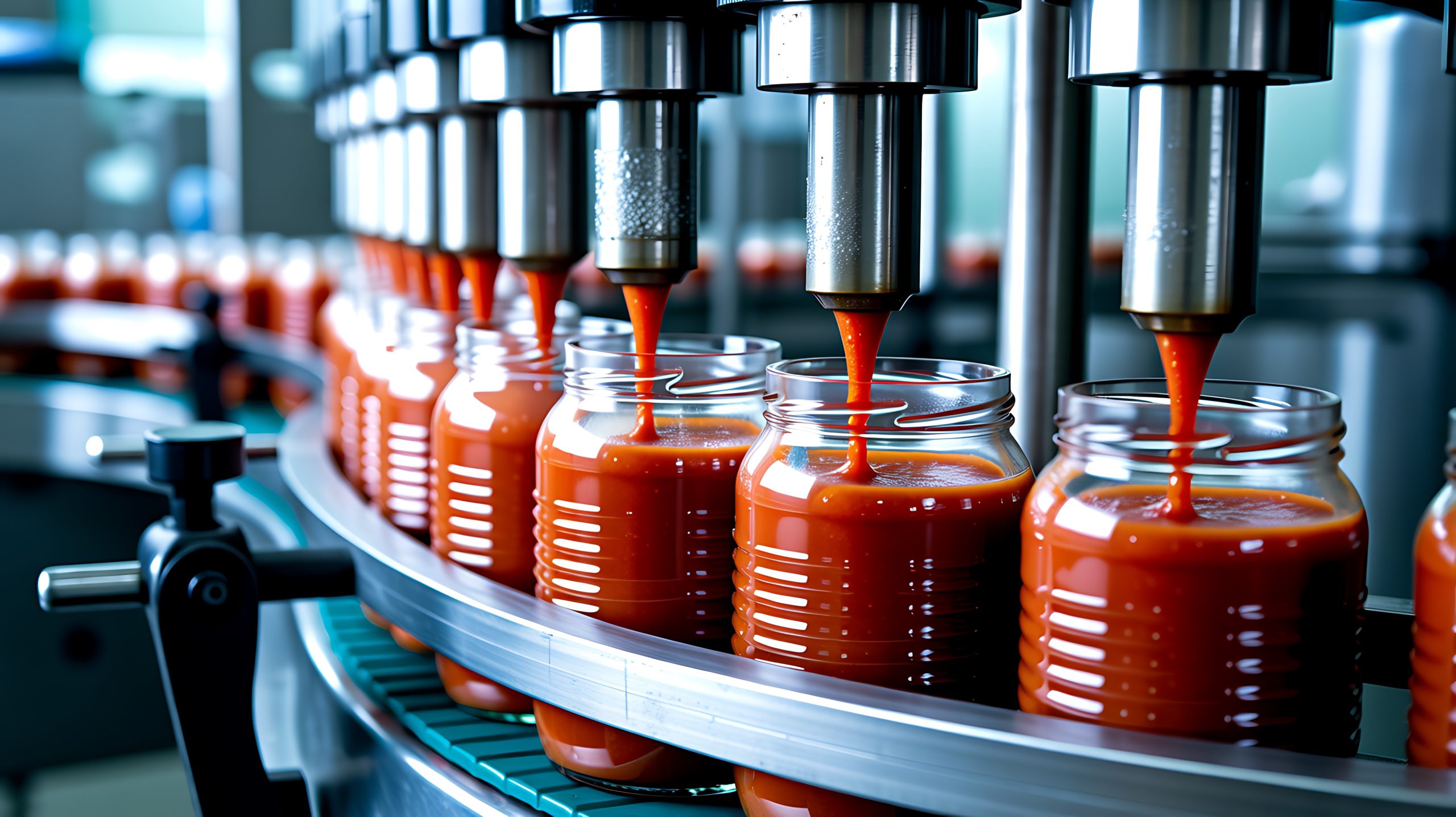
On an automated filling line, the optimum rate is the highest speed at which the pump completes every stroke, the product feed remains stable, the nozzle cuts off cleanly and the receiving container captures each dose without splashing or waste.
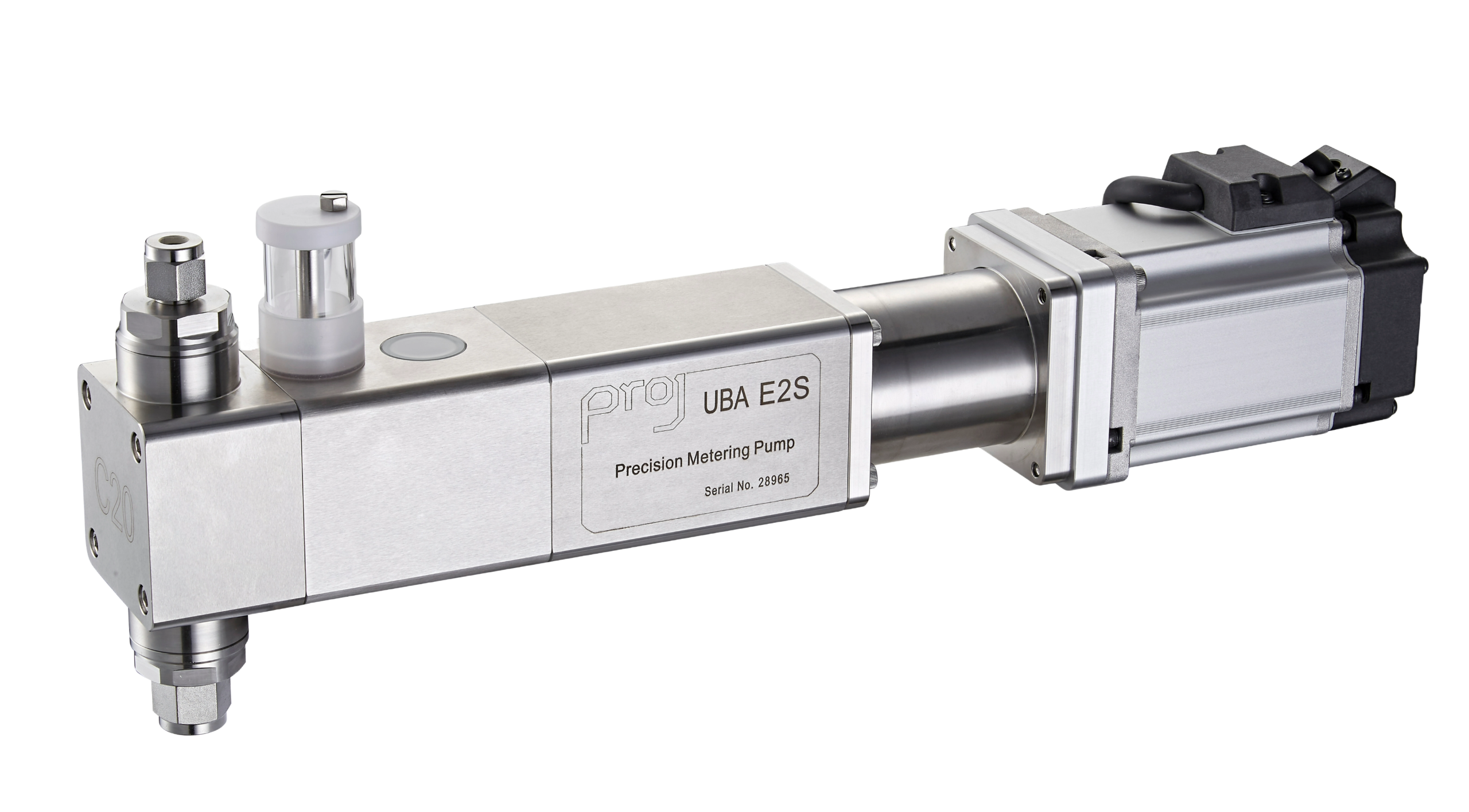
UBA positive-displacement pumps are specified to achieve accuracy of ±0.5% or better when correctly selected, set up, primed and maintained. Their movement between two fixed positions gives a repeatable theoretical displacement, but the amount actually delivered can still be affected by air, incomplete priming, wear, poor signal timing or an interrupted stroke.
🔍Look at the complete filling system
Production speed cannot be established by considering the pump alone. Product viscosity, aeration and temperature all matter, as do the feed arrangement, tubing, nozzle, container handling and the time available within the host machine cycle. A pump may cycle faster when dry, but that does not mean the product can be transferred and dispensed cleanly at the same rate.
The highest reliable rate is therefore specific to the product, fill volume, pack and machine – not simply the maximum speed marked on a control.
💧Start with a stable, air-free product feed
Prime the pump and product path thoroughly, remove visible air and check that the pump refills completely on every return stroke. Keep the feed route as direct as the application allows and make sure connections are secure. Excessive or unsuitable tubing can introduce restriction, back pressure and places for air to collect or enter.
If the product supply begins to starve as the cycle rate increases, more pump speed will not improve useful output. It can instead cause cavitation, incomplete priming and inconsistent fills. Thicker products may require pressure-feed assistance or hopper agitation.
⚙️Tune pump speed and signal timing together
On pneumatic UBA pumps, use a stable, uninterrupted air supply at 75–80 psi and adjust the forward and return speeds to suit the product. These settings must be coordinated with the machine signals; increasing the signal rate without allowing time for a full stroke can reduce accuracy.
P1, P2 and P3 pumps use a 5/2-way valve to control the forward and return movements. P4 and P5 pumps require a single start signal and use a built-in forward-position sensor to complete the cycle and return home. In either case, the machine window must allow the pump to reach both physical end stops. Pump movement, product behaviour and machine timing must be tuned as one system.
✅Confirm complete strokes before increasing speed
A UBA pump achieves its intended displacement only when the plunger completes its full movement. The forward end stop completes the dispense and supports clean cut-off; the return end stop completes the inlet stroke. Begin slowly and confirm that both positions are reached consistently before using a faster setting as the baseline.
📈Increase the rate in controlled steps
The most dependable way to establish production speed is to build up from a stable baseline using the actual product, nozzle and receiving pack:
1. Prime the product path completely and remove trapped or visible air.
2. Run slowly and confirm a stable feed, full strokes and clean nozzle cut-off.
3. Record consecutive fill weights or volumes to establish repeatability, using suitable, calibrated scales.
4. Increase the pump speed and machine signal rate by a small amount while retaining enough time for a full cycle.
5. Recheck fill weight, end positions, priming, nozzle behaviour and how the pack receives the product.
6. Continue until the first deterioration appears, then reduce the rate to provide a sensible operating margin.
Confirm the final setting over a meaningful production run, not just a handful of shots. If the product, volume, nozzle or packaging changes, repeat the assessment.
⚠️Warning signs that the line is running too quickly
A line has exceeded its reliable operating speed when one or more parts of the process can no longer complete consistently. Typical signs include:
• increasing variation between consecutive fill weights;
• the pump failing to reach one or both physical end stops;
• incomplete refill, starvation, cavitation or air entering the product path;
• splashing, foaming or product missing the receiving pack;
• after-drip, stringing, poor cut-off or product remaining at the nozzle tip; or
• the container or machine sequence moving on before the dispense is complete.
Investigate these symptoms rather than compensating by changing the volume setting. The cause may be speed, signal timing, product feed, nozzle selection or the wider machine sequence.
🎯Aim for repeatable throughput, not a headline cycle time
There is no universal cycle time. A free-flowing liquid entering an open container will behave very differently from a viscous or aerated product filling a narrow-necked bottle. The best setting is the highest rate that still delivers complete strokes, clean fills and repeatable results with an appropriate margin.
Establishing that point methodically usually produces more useful output than running at the mechanical maximum and losing time to rejects, cleaning or unplanned stops.
📩Need Help Optimising an Existing Filling Line?
If you are commissioning a UBA pump or reviewing the performance of an existing installation, Hi-Tech Machinery can help assess the product, target fill volume, required speed, receiving pack, feed arrangement, nozzle and machine timing. Contact our team to discuss your application.